
There’s something undeniably comforting about the classics. Remember gathering around a table, the anticipation hanging thick in the air as you prepared to play a round of Monopoly or Scrabble? Those timeless games hold a special place in our hearts, filled with nostalgia and shared memories. But let’s face it, even the most beloved games can sometimes feel a little…stale. The same strategies, the same outcomes – the spark can start to fade.
That’s where the beauty of innovation comes in! In an era where board game cafes are making a serious comeback and people are actively seeking engaging experiences, simply dusting off the old favorites isn’t always enough. We need to*reimagine** them, inject some fresh life, and create entirely new ways to play. It’s about honoring the core mechanics while*revitalizing** the gameplay for a*modern** audience hungry for something new.
I remember one particularly dull*game night** where everyone was about to call it quits. In a moment of desperation, I suggested we play Clue, but with a twist: everyone had to act out their accusations! The whole room erupted in laughter, and suddenly, a tired old game was brand new again. That’s the power we’re talking about.
So, if you’re looking to breathe some new life into your next gathering, prepare to discover how to take those*classic table games** you know and love and transform them into unforgettable experiences with*modern twists**. Join us as we explore exciting ways to revitalize your*game night** and unleash a whole new level of fun!
Why Reimagine Classic Table Games?
The allure of traditional table games is undeniable. They connect generations, spark friendly competition, and offer a welcome escape from the digital world. However, even the most beloved classics can fall prey to predictability. The same strategies, the same outcomes, the same old story can lead to staleness, diminishing the joy and excitement that made them appealing in the first place.
That’s where the power of reimagination comes in. By introducing modern elements, we can breathe new life into familiar formats, mitigating limitations and unlocking fresh possibilities for engagement and replayability. Think of it like adding a secret ingredient to a treasured family recipe – the essence remains, but a new layer of flavor elevates the entire experience.
Many traditional games, such as Monopoly with its lengthy playtime, or Chess with its rigid structure, can often be improved by modernization. Modern elements might encompass technological integrations, like apps that track scores and manage complex rules, or the incorporation of social play mechanics that encourage collaboration and communication. Even simple house rules, customized to fit a particular group’s preferences, can dramatically alter the game’s dynamics. Embracing adaptability and creative game design ensures that these classics remain relevant and captivating for players of all ages and backgrounds.
Augmented Reality (AR) Enhancements
Augmented reality (AR) is revolutionizing the way people experience classic table games by seamlessly blending digital elements with the physical world. Imagine playing chess where the pieces come to life, engaging in battles, and reacting to every move. This is the power of AR – it elevates traditional games into immersive and interactive adventures. AR integration uses a device, such as a smartphone, to overlay digital enhancements onto the physical game board. These enhancements can range from dynamic visuals and sound effects to interactive storytelling and real-time data overlays, enriching the gameplay in unprecedented ways.
The benefits of incorporating AR into table games are numerous. Primarily, it significantly increases player engagement. The visual spectacle and interactive elements capture attention and maintain interest, particularly for younger audiences accustomed to digital entertainment. AR also enhances immersion by drawing players deeper into the game’s narrative and mechanics. Furthermore, it unlocks new gameplay possibilities, such as hidden clues, animated characters, and evolving environments that react to player decisions.
Several existing AR-enhanced table games demonstrate the power of this technology. For example, there are AR implementations of classic board games that bring the game board to life. These games often feature animated characters, interactive maps, and special effects that enhance the gameplay experience. The success of these games hinges on several factors: seamless integration of digital and physical elements, intuitive user interfaces, and compelling content that adds value to the original game. Achieving this requires careful software development and design to ensure a smooth and enjoyable user experience.
Despite its potential, developing AR enhancements for table games presents technical challenges. AR applications require sophisticated software, powerful processing capabilities, and precise tracking technology to accurately overlay digital elements onto the physical game board. Additionally, developers must address issues such as lighting conditions, camera angles, and device compatibility to ensure consistent performance across different devices and environments.
Case Study: AR in Strategy Games
Strategy games stand to gain significantly from AR enhancements. Consider a classic game like chess or Risk. With AR, the static board can transform into a dynamic battlefield. Chess pieces could animate during capture sequences, showcasing miniature battles. In Risk, troop movements could be visualized with 3D units marching across the board, and dice rolls could trigger animated explosions or fortifications. The possibilities are endless.
One of the most compelling benefits of AR in strategy games is the ability to provide real-time data and statistics. Instead of manually tracking troop counts or calculating probabilities, the AR application can handle these tasks automatically. This frees players to focus on strategic decision-making, enhancing the depth and complexity of the game. Imagine an AR chess app displaying real-time win probabilities based on the current board state or an AR Risk game tracking casualties and resource availability. This integration of technology elevates the gaming experience, providing both visual flair and practical assistance.

Gamification: Injecting Video Game Dynamics
Gamification is all about taking the core concepts that make video games so addictive and applying them to other areas to boost user engagement. It’s not about turning everything into a full-blown video game. Instead, it’s about strategically incorporating elements like dynamic gameplay, challenges, and rewards to keep people invested and motivated. Think about it: video games are masters at grabbing attention and keeping players hooked. Gamification seeks to bottle that magic.
For instance, leaderboards tap into our competitive spirit, showing how we stack up against others. Points systems provide tangible feedback and a sense of progression, while daily challenges offer a regular dose of excitement and a reason to return. Imagine a task that rewards you with virtual badges or unlocks special content as you gain ranks. Add some timed quests and make it dynamic.
The Power of Mini-Games
Mini-games are a great way to give challenges in a game, and create greater depth, giving extra appeal. They’re bite-sized, self-contained challenges that deviate from the main gameplay loop, providing unique and engaging experiences. Think how a developer adapts simple games to create something unique. Incorporating custom mini-games into a project can add a layer to it.
Customization and Personalization
The Allure of Unique Game Pieces
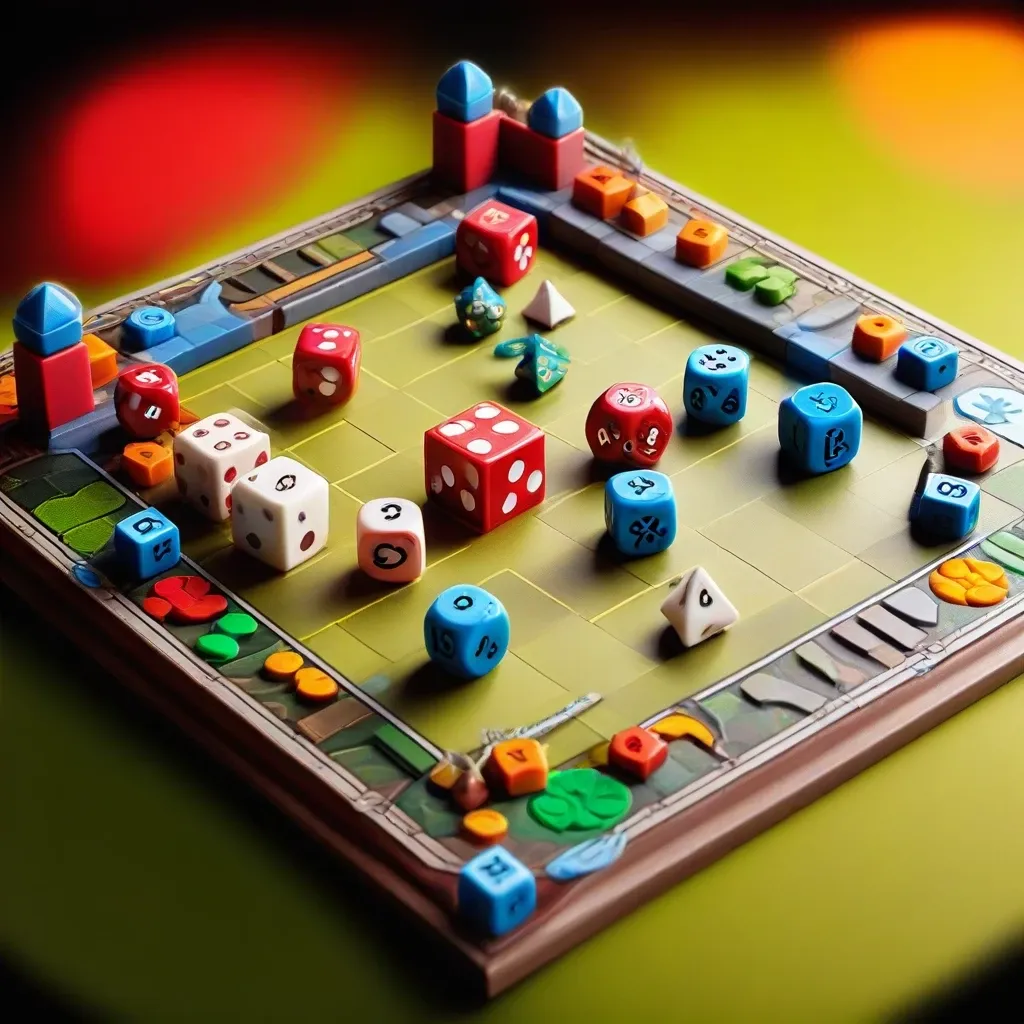
In the world of board games, the possibilities are limitless when you embrace customization. Moving beyond mass-produced pieces and embracing personalized games opens up a realm of creative expression and tailored experiences. The allure of unique game pieces lies in the ability to shape your gameplay, narrative, and the overall emotional connection to the game. It’s about etching distinctiveness into the shared moments of play.
One exciting avenue for achieving this is through 3D printing. The rise of accessible 3D printing technology empowers enthusiasts to conjure custom-designed game components from the comfort of their homes. Imagine replacing generic pawns with miniature representations of favorite characters, or transforming simple dice into intricate, thematic objects. Online platforms are emerging where creators share and even sell their 3D print files, fostering a community of innovation and support.
This isn’t about declaring one game definitively superior to all others. Instead, it’s about curating a social play experience that resonates deeply with players. Customization allows you to craft an adventure that reflects your group’s personality, inside jokes, and shared passions. The focus shifts from merely replicating a pre-packaged experience to forging memories and stories that are entirely your own.
Community and Social Engagement
There’s a unique magic that happens when people gather, especially when it revolves around something as engaging as table games. Forget fleeting digital interactions; we’re talking about face-to-face connections, shared laughter, and the thrill of competition that strengthens bonds and builds lasting memories.
The beauty of table games lies in their ability to foster a sense of community. It doesn’t matter if you’re a seasoned strategist or a complete beginner; the rules are easily learned, and the playing field is level. Local game stores, community centers, and even your own living room can transform into vibrant hubs of social activity. These spaces provide a welcoming environment where individuals from all walks of life can connect over a shared passion.
Personalized games add another layer to the experience. Modifying existing games with custom rules, creating unique game pieces that reflect individual personalities, or even designing entirely new games from scratch elevate the level of engagement and create a truly unique social play dynamic. Imagine a customized version with inside jokes, or miniature figures painted to resemble family members – these personal touches transform a simple game night into an unforgettable community event.
The power of community forged through table games is undeniable. It offers a welcome escape from the isolating nature of modern life, providing opportunities for genuine connection, collaborative problem-solving, and the simple joy of shared experience. So, gather your friends, family, or even strangers, and discover the joy of community through the timeless appeal of table games.
Conclusion
To sum it up, breathing new life into classic table games is all about embracing innovation. Injecting modern twists reignites engagement and transforms familiar game nights into novel experiences. By incorporating elements like updated themes, streamlined rules, collaborative gameplay, or even augmented reality, you can unlock a game’s hidden potential, making it relevant and exciting for a new generation of players.
So, why not experiment? Pick your favorite classic, try out some of these modern twists, and see the magic unfold. Share your successes, your funny fails, and your own innovative ideas! The future of table games lies in our collective creativity. Let’s keep pushing the boundaries and redefining what’s possible. After all, the best game nights are the ones filled with laughter, connection, and a touch of the unexpected!